 English
 русский
 عربى
عربى


add: North of Gaoxin North Road, east of Jinyun Road, Wannian High-tech Zone, Shangrao City, Jiangxi Province
Your bouquet is ready: stems trimmed, petals misted, ribbon uncut. Then you reach for the wrapping paper and the roll is empty. You can absolutely substitute everyday materials for flower wrapping paper — brown paper bags, newspaper, tissue paper, clean fabric, and even glassine all do the job. The real question is not whether a substitute exists, but how well it protects the stems and suits the occasion. Here is what actually works, what to skip, and when professional wrapping paper is still the better call.
The Shortlist: Best Substitutes for Flower Wrapping Paper
Before getting into technique, here is a quick comparison of the most practical substitutes and where each performs best.
| Substitute | Best use | Main limitation |
|---|---|---|
| Kraft paper or brown paper bags | Rustic bouquets, everyday gifts, natural look | Absorbs moisture from wet stems without an inner barrier |
| Newspaper | Casual, retro, zero-cost wrapping | Ink can transfer; glossy pages fold poorly |
| Tissue paper | Soft, layered wraps for birthdays and weddings | Tears easily and needs several layers |
| Parchment paper | Crisp, kitchen-style wraps for small posies | Less flexible and noisy when folded |
| Hessian or linen fabric | Reusable, textured, botanical presentations | Not waterproof; edges may fray |
| Cellophane or glassine | Transparent wraps that display the flowers | Cellophane adds plastic waste; glassine costs more |
| Ribbon or twine only | Minimalist hand-tied bouquets | Provides no protection during travel |
Paper Substitutes You Already Have at Home
Kraft paper and brown paper bags
A flattened brown grocery bag is the closest thing to florist kraft paper in most kitchens. Cut off the printed area, flatten the bag, and you have a clean matte sheet that suits rustic and minimalist bouquets. Because kraft paper is absorbent, seal the stems first or fold a double layer when the bouquet is freshly cut.
Newspaper
Black-and-white newspaper pages give a bouquet an instant editorial look. The classic cone fold works well because newsprint is large and flexible. Skip glossy inserts and colored sections; their coating cracks at the fold and the ink transfers more easily than standard newsprint.
Tissue paper
Tissue is the standard substitute for soft, layered presentations. Use two or three sheets stacked slightly offset so the bouquet sits in a nest of color. It tears when pulled tightly, so gather it gently around the stems and secure with twine. Tissue works best for bouquets carried a short distance.
Parchment paper
Baking parchment adds a crisp, slightly translucent finish that feels clean and deliberate. It is strong enough to hold small posies and does not turn limp the way newsprint does. The trade-off is flexibility, so parchment is best for compact arrangements rather than large cascading bouquets.
Fabric Wraps That Look Intentional
Fabric is the most underrated substitute because it can be washed and reused, which no paper option offers.
Hessian or burlap
Hessian is coarse, natural, and reads as botanical before you add a single flower. It pairs well with field-grown stems and eucalyptus. The rough texture grips stems so knots stay put. Watch for fraying edges, and use a damp paper towel around the stem ends before wrapping.
Linen and cotton
Linen scraps or a clean cotton tea towel create a soft, relaxed bundle. Fold the fabric into a triangle, place the bouquet diagonally, fold the side corners over the stems, roll the bottom edge, and tie the bundle with ribbon or twine. This method also works well for dried flowers.
Silk scarves and thrifted fabric
A silk scarf adds pattern and color that paper cannot match. The main risk is slippery fabric loosening the wrap, so use a square knot and cinch it below the flower heads. If the scarf is sheer, layer it over an inner sheet of tissue or kraft paper.
Transparent and Low-Waste Alternatives
Sometimes the best wrapper is the one that shows the flowers instead of covering them.
Cellophane
Clear cellophane remains the easiest way to reproduce the florist-shop look at home. It is flexible, waterproof, and shows the bouquet from every angle. Gather the excess above the stems and tie with twine. The main drawback is condensation when flowers move from cold storage to room temperature, so leave a small opening near the top.
Glassine
Glassine is translucent, greaseproof, and compostable, making it a strong alternative to plastic cellophane. It has the crisp feel of bakery paper and does not transmit moisture quickly. Florists use glassine as an inner sleeve or as a full outer wrap for smaller bouquets.
The no-wrapper approach
For casual hand-tied bouquets, the stems are the presentation. Trim them at a clean angle, wrap a damp paper towel around the cut ends, secure it with a small plastic bag or waterproof tape, and finish with a ribbon at the tie point. This approach is fast, honest, and produces zero paper waste.
Substitutes to Avoid and Why
Not every household material deserves the job. These are the mistakes that come up most often in practice.
- Wet newsprint on fresh stems. Ink dissolves, stains hands and petals, and the paper tears as soon as it gets damp.
- Glossy magazine pages. The coating cracks at the crease and transfers ink under pressure.
- Thin gift wrap over wet stems. It disintegrates within minutes unless the stems are sealed in a separate waterproof layer.
- Non-breathable plastic sealed tightly. Condensation builds inside and speeds up drooping; if you use plastic, leave an opening and keep the bouquet cool.
- Paper with a strong print smell. Cheap solvent-based inks compete with the natural scent of fresh flowers inside a closed wrap.
How to Make a Substitute Wrap Look Professional
Most substitute wraps fail for two reasons: moisture reaches the paper and the cone geometry collapses. Fix those two problems and a brown bag looks intentional.
- Seal the stems first. A damp paper towel around the cut ends, covered by a small plastic bag, keeps every outer layer dry. This trick matters more than the choice of paper.
- Use the diagonal cone fold. Lay the paper as a diamond, place the bouquet diagonally near the lower corner, fold that corner over the stems, then fold in the left and right corners. The diagonal fold distributes weight and prevents the soggy bottom.
- Cinch at the right height. Tie the wrap about one-third of the way up the stems, not at the flower heads. The tie point creates the bouquet's silhouette.
- Layer two materials. Tissue inside with kraft outside is the easiest combination: tissue adds volume and color, kraft adds structure and durability.
- Match the wrap to the flowers. Bright summer blooms tolerate bold patterns; muted ranunculus and garden roses look better in plain kraft, parchment, or linen.
If you need more detail on the folding sequence, this step-by-step flower wrapping guide covers the three standard folds used by working florists.
When Buying Proper Flower Wrapping Paper Is Worth It
For a single bouquet at home, substitutes are a smart fix. The calculus changes when you sell flowers, build a brand, or dispatch several bouquets a week. Household materials vary: bags differ in thickness, newsprint smudges, and fabric is expensive at volume. Commercial flower wrapping paper is manufactured to consistent sheet sizes such as 57 x 57 cm or 58 x 58 cm, with controlled thickness and optional waterproof, matte, pearl, or metallic finishes that no kitchen paper can reproduce.
There is also a labor-cost angle. A florist wrapping a hundred bouquets a day needs paper that folds the same way every time; a substitute that looks beautiful on the first bouquet becomes a liability on the fiftieth. If your main concern is choosing an eco-friendly material, this plastic vs. paper comparison lays out the trade-offs.
Take the "newspaper look," for example. Instead of hunting for old issues, florists use a kraft paper printed with a retro newspaper pattern: the same editorial style with factory strength and no ink transfer.
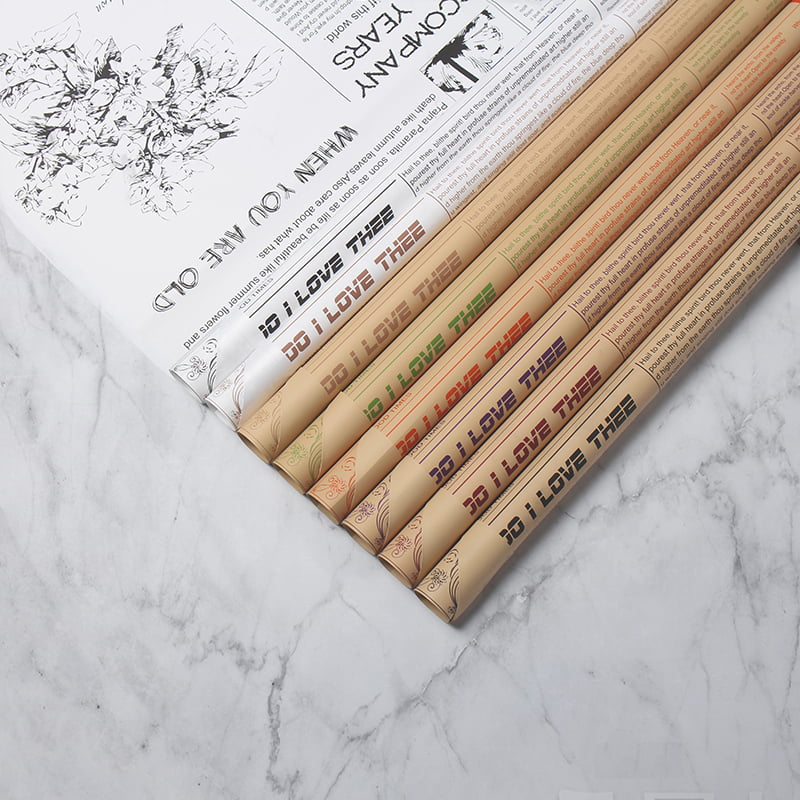 Retro Newspaper Pattern Kraft Flower Wrapping PaperPrinted with a retro newspaper pattern, this kraft paper offers an editorial look with factory strength and no ink transfer, ideal for florists seeking a nostalgic, artistic bouquet presentation.View Product →
For weddings and premium gifting, a gold-edged matte film bends cleanly and catches the light in a way that household paper cannot match.
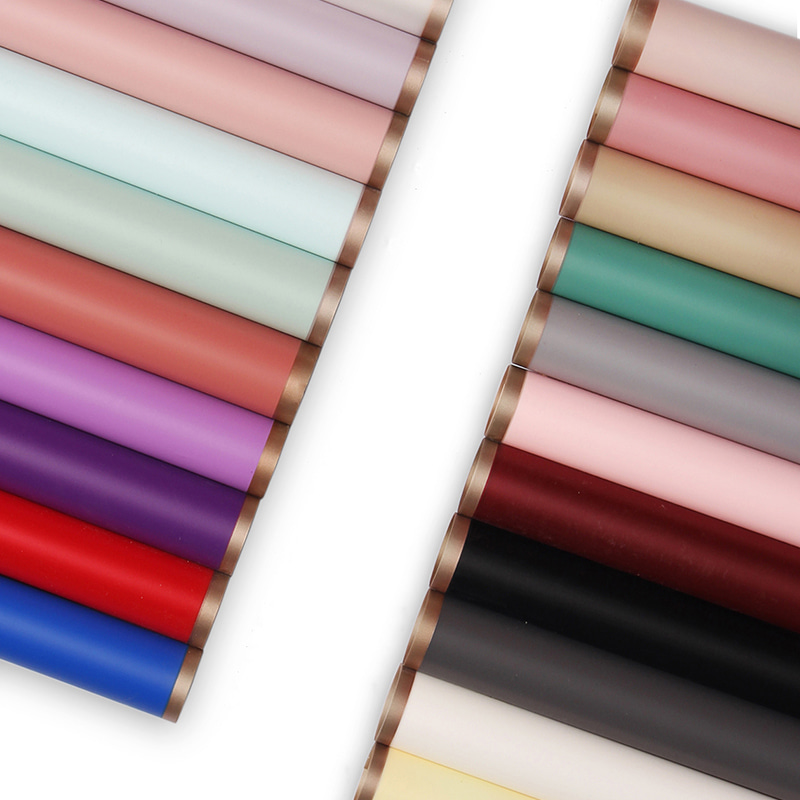 Gold-Edged Matte Flower Wrapping FilmA soft, jelly-textured matte film with a gold frame delivers a premium, hazy finish that bends cleanly, making it a preferred choice for weddings and high-end gifting.View Product →
And if tissue paper is your usual substitute, a polka-dot cotton sheet provides the same soft hand with much better tear resistance, which is why retail florists choose it for bouquets that must survive transport.
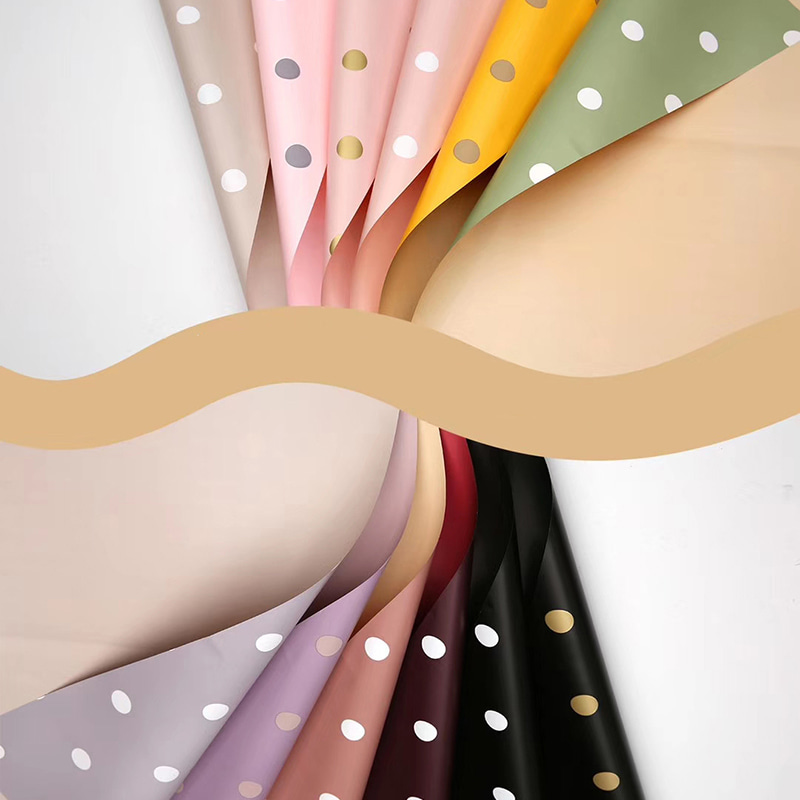 Single-Sided Polka Dot Cotton Flower Wrapping PaperThis polka-dot cotton sheet provides the soft hand of tissue paper with superior tear resistance, so retail florists rely on it for bouquets that must survive transport.View Product →
The bottom line: any wrapper — paper, fabric, or none at all — works if you control the moisture and choose the right look for the occasion. Keep a roll of kraft, a stack of tissue, and a clean tea towel within reach, and you will rarely need to buy specialty wrapping paper for personal bouquets. When you are wrapping at scale or for paying customers, consistent commercial paper pays for itself in labor saved and presentation quality.
 +86-18270363850
